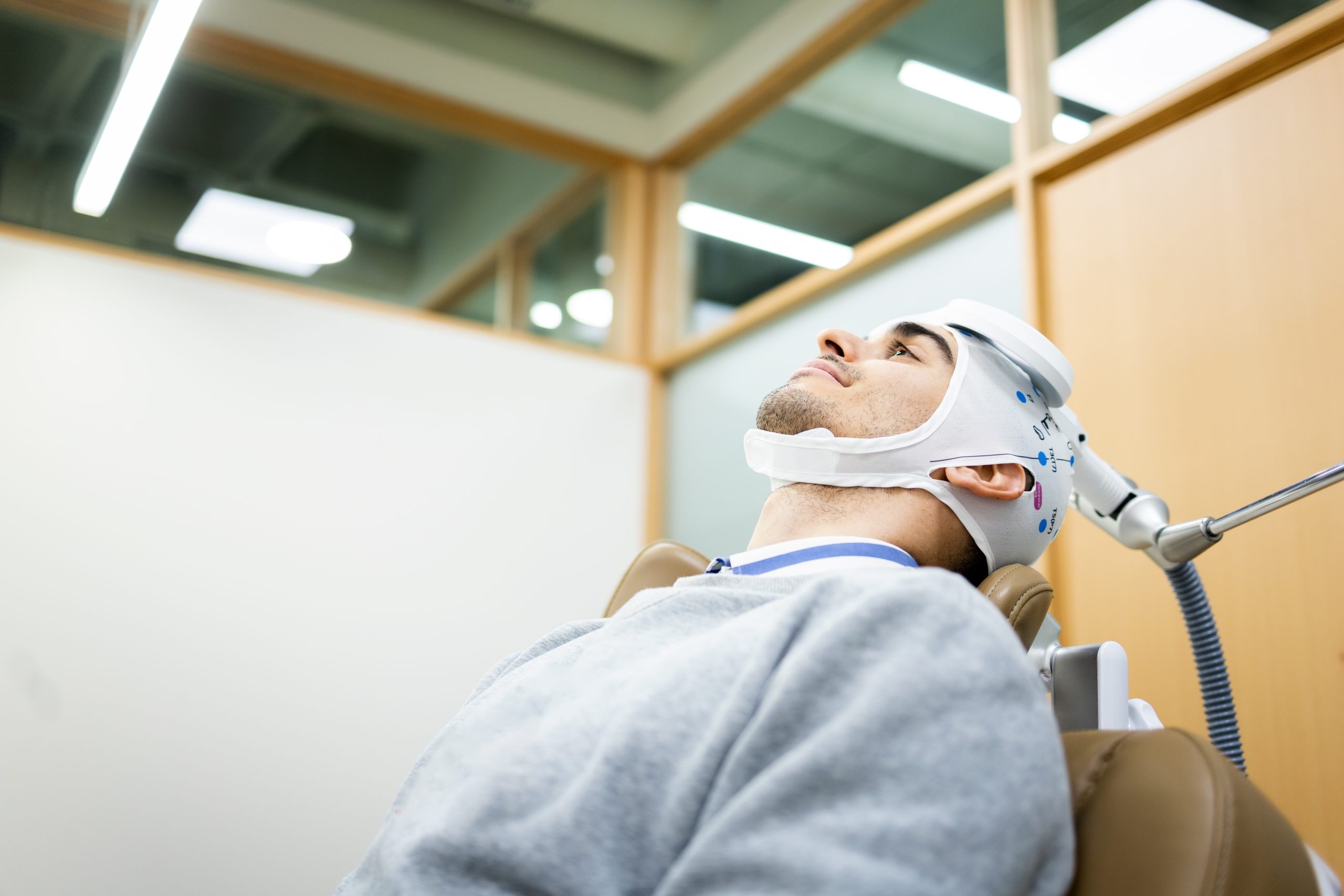
TMS therapy, or Transcranial Magnetic Stimulation, is an advanced non-invasive treatment that uses magnetic energy to stimulate specific areas of the brain. While it is most commonly associated with depression treatment, it is also used in clinical settings to help individuals who experience anxiety symptoms, especially when they are linked to mood regulation and brain activity imbalance.
At Gianan Health, our team uses TMS therapy as part of a structured mental health care approach designed to support patients who have not found sufficient relief from traditional treatments.
Understanding the Role of Brain Activity in Anxiety
Anxiety is closely connected to how different areas of the brain communicate and regulate emotional responses. In many individuals, certain regions responsible for fear, stress response, and emotional control may become overactive or imbalanced.
This imbalance can lead to persistent worry, heightened stress responses, and difficulty calming the mind even in safe situations. TMS therapy works by targeting these specific brain regions to help restore healthier activity patterns.
What TMS Therapy Actually Does in the Brain
TMS uses focused magnetic pulses that are delivered through a device placed gently on the scalp. These pulses create small electrical currents in targeted areas of the brain without the need for surgery or medication.
The goal is not to overwhelm the brain but to gently stimulate underactive regions and help regulate neural circuits that influence mood and anxiety responses. Over time, this stimulation can help the brain function in a more balanced and stable way.
How This Helps Reduce Anxiety Symptoms
When brain activity becomes more regulated, patients often experience improvements in emotional control and stress response. Anxiety is not only about thoughts but also about how the brain reacts to those thoughts.
As TMS therapy helps improve communication between brain regions, individuals may notice a gradual reduction in symptoms such as excessive worry, tension, and emotional reactivity. The therapy supports the brain in developing healthier response patterns over time.
What Happens During a TMS Session
TMS is performed in a clinical setting and does not require anesthesia or sedation. Patients remain awake and fully alert throughout the session.
Before treatment begins, a mapping process is done to identify the precise area of the brain that will be targeted. This ensures accuracy and effectiveness for each individual.
During the session, the patient sits in a comfortable chair while a magnetic coil delivers short pulses to the scalp. Most people describe the sensation as a light tapping feeling. Each session typically lasts between 20 and 40 minutes, depending on the treatment plan.
After the session, patients are able to return to normal daily activities immediately, as there is no recovery period required.
How TMS Therapy Is Structured Over Time
TMS therapy is not a one-time treatment. It is delivered over a series of sessions, usually five days per week for several weeks. This repeated stimulation is important because the brain gradually adapts and builds new patterns of activity.
At Gianan Health, our provider tailors the schedule based on each patient’s needs and response to treatment. Progress is monitored throughout the course to ensure optimal results.
Who May Benefit from TMS for Anxiety
TMS therapy is often considered for individuals who experience anxiety symptoms that are persistent or resistant to traditional approaches. It may be particularly helpful for patients who also struggle with depression or have not responded well to medication alone.
It is also suitable for individuals seeking a non-medication approach or those who experience unwanted side effects from psychiatric medications.
How Gianan Health Provides Structured Care
At Gianan Health, TMS therapy is delivered through a carefully guided treatment process. Our team begins with a full evaluation of symptoms, medical history, and previous treatments to determine if TMS is appropriate.
Once treatment begins, each session is monitored to ensure patient comfort and safety. The provider adjusts the plan as needed based on how the patient responds over time. This structured approach helps improve consistency and effectiveness throughout the treatment course.
Benefits Patients Commonly Experience
While results vary, many patients report gradual improvements in emotional stability and daily functioning as treatment progresses. These improvements may include reduced intensity of anxious thoughts, better focus, and improved stress tolerance.
TMS therapy is designed to support long-term brain regulation rather than provide a temporary effect, which is why improvements often continue to build over time.
Conclusion
TMS therapy works for anxiety by using targeted magnetic stimulation to help regulate brain activity involved in emotional response and stress processing. By improving communication between key brain regions, it supports a more balanced mental state over time. At Gianan Health, our dedicated team provides structured, personalized TMS treatment designed to help patients achieve meaningful and lasting improvement in anxiety symptoms.