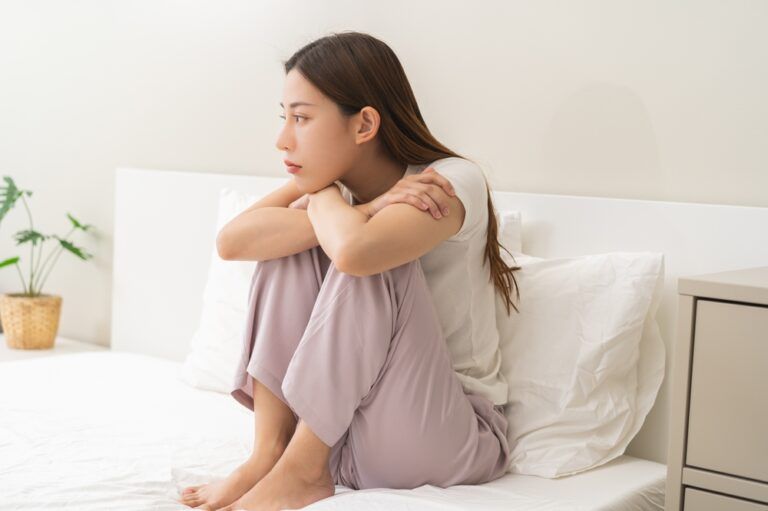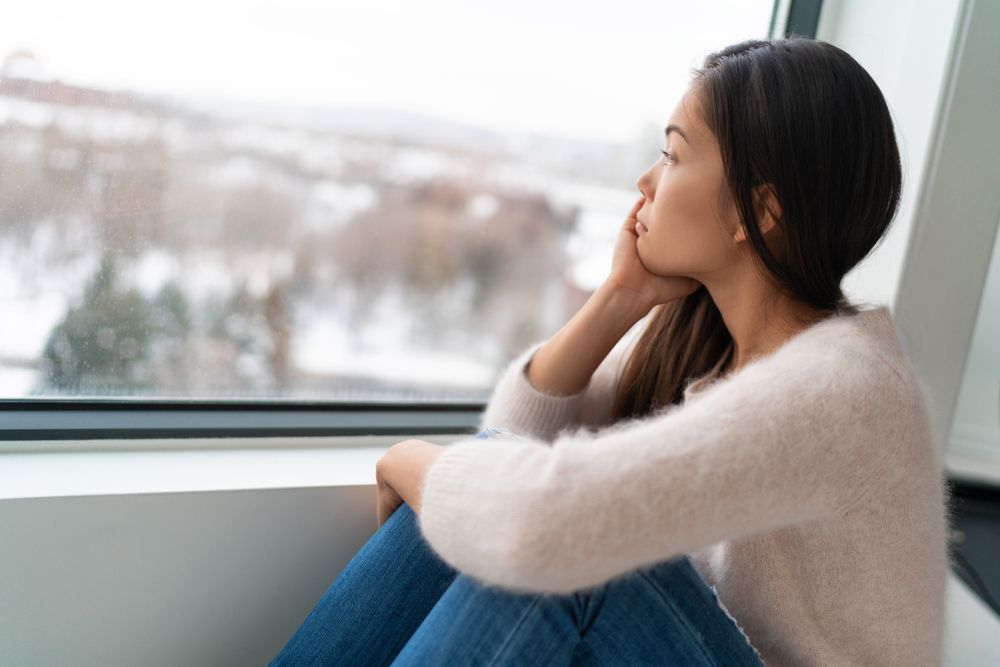
Seasonal Affective Disorder, often referred to as SAD, is a type of depression that occurs at specific times of the year, most commonly during fall and winter months. At Gianan Health in Bolingbrook, IL, multiple providers emphasize the importance of recognizing the early signs of SAD to help individuals manage its effects and maintain their mental well-being. Understanding both the symptoms and coping strategies is key to navigating the seasonal changes that can impact mood, energy, and overall quality of life.
Identifying the Symptoms of SAD
SAD shares many characteristics with other forms of depression but has a distinct seasonal pattern. Individuals may notice a decline in mood, loss of interest in activities once enjoyed, and changes in sleep or appetite during the colder months. Fatigue and low energy are common, often accompanied by difficulty concentrating and feelings of hopelessness or irritability.
Some people may experience increased appetite, particularly craving carbohydrate-rich foods, leading to weight gain. Others may notice oversleeping, a phenomenon known as hypersomnia, which can exacerbate feelings of lethargy and disconnection from daily routines. Recognizing these patterns early is essential, as untreated SAD can affect personal relationships, work performance, and overall emotional health.
Causes and Risk Factors
While the exact cause of SAD is not fully understood, research suggests that reduced sunlight exposure plays a significant role in disrupting the body’s internal clock, or circadian rhythm. This disruption can affect hormone levels, particularly melatonin and serotonin, which regulate mood, sleep, and energy. Shorter daylight hours in fall and winter may trigger these chemical changes, contributing to the development of symptoms.
Other risk factors include a personal or family history of depression, living in northern latitudes with less sunlight during winter, and being female, as SAD is diagnosed more frequently in women than in men. Understanding these factors helps individuals anticipate potential challenges and take proactive steps to manage seasonal changes.
Coping Strategies for Seasonal Affective Disorder
Managing SAD involves a combination of lifestyle adjustments, environmental changes, and self-care practices. While individual experiences vary, common strategies include:
- Maximizing exposure to natural light through daily walks or outdoor activities
- Using light therapy lamps designed to simulate sunlight and regulate circadian rhythms
- Maintaining a consistent sleep schedule to support restorative rest
- Engaging in regular physical activity, which can boost mood and energy levels
- Practicing stress-reduction techniques such as mindfulness, meditation, or journaling
Additionally, staying socially connected and seeking support from friends, family, or mental health professionals can provide emotional stability during periods of low mood. Maintaining a structured daily routine helps counteract lethargy and provides a sense of normalcy even when symptoms are present.
When to Seek Professional Guidance
While mild seasonal mood changes may improve with lifestyle adjustments, persistent or severe symptoms warrant professional evaluation. Mental health providers can offer guidance on coping techniques, monitor progress, and, in some cases, discuss additional treatment options tailored to individual needs. Early intervention is beneficial in preventing symptoms from worsening and supports long-term emotional resilience.
Recognizing and coping with Seasonal Affective Disorder is an important aspect of mental health awareness. At Gianan Health in Bolingbrook, IL, multiple providers stress that education, early recognition, and proactive strategies empower individuals to maintain well-being throughout seasonal transitions and reduce the impact of SAD on daily life.
Resources:
Rosenthal, N. E., Sack, D. A., Gillin, J. C., Lewy, A. J., Goodwin, F. K., Davenport, Y., et al. (1984). Seasonal Affective Disorder: A Description of the Syndrome and Preliminary Findings with Light Therapy. Archives of General Psychiatry.
Partonen, T., & Lönnqvist, J. (1998). Seasonal Affective Disorder. Lancet.
Magnusson, A. (2000). An Overview of Epidemiological Studies on Seasonal Affective Disorder. Acta Psychiatrica Scandinavica.