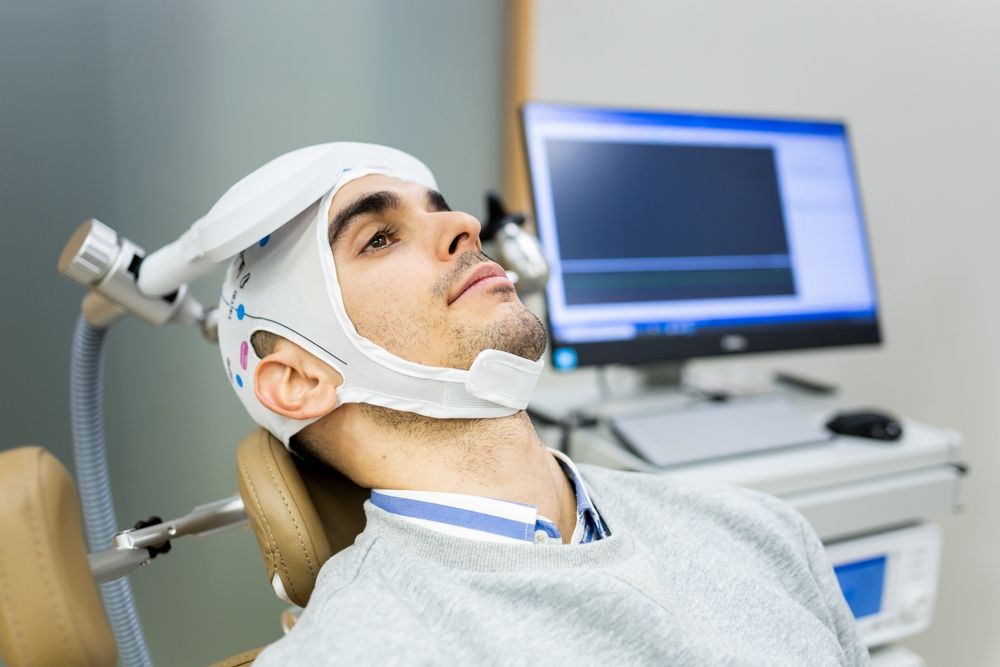
Transcranial Magnetic Stimulation, or TMS, has become an increasingly recognized treatment for individuals experiencing depression and other mental health conditions. At Gianan Health in Bolingbrook, IL, multiple providers are aware that patients often have many questions about the process, the sensations involved, and the overall treatment experience. Understanding how TMS works can help reduce anxiety before appointments and empower patients to make informed decisions about their mental health care.
Understanding TMS Therapy
TMS is a non-invasive procedure that uses magnetic fields to stimulate nerve cells in the brain, specifically targeting areas associated with mood regulation. Unlike medications that work systemically, TMS focuses directly on the brain region implicated in depression. The magnetic pulses generated during a session induce small electrical currents that can improve neural activity, often helping restore balance to brain circuits that may be underactive in patients with mood disorders.
While the mechanics of TMS may sound complex, the process itself is straightforward. Patients typically sit in a comfortable chair while a magnetic coil is positioned near the scalp. The magnetic pulses are delivered in carefully calibrated sequences, and the intensity is adjusted based on individual tolerance and clinical guidelines. Each session usually lasts between 20 and 40 minutes, depending on the specific protocol prescribed.
What Patients May Feel During TMS
Many first-time patients wonder about the physical sensations associated with TMS. Most individuals describe feeling a tapping or knocking sensation on the head at the site of the coil. Some people may also notice minor scalp tingling or facial muscle twitching, which is generally mild and temporary. While discomfort is uncommon, providers can adjust the treatment parameters to enhance patient comfort.
Another aspect to consider is the auditory component of TMS. The magnetic pulses produce clicking sounds, which are usually managed with ear protection. Patients are often encouraged to relax and remain seated calmly during the session, as excessive movement can interfere with the accuracy of the treatment. The non-invasive nature of TMS allows patients to resume normal activities immediately afterward, as there are no lingering effects that require extended recovery time.
Typical Treatment Schedule
TMS therapy is not a one-time procedure but rather a course of sessions designed to achieve gradual and sustained improvements in symptoms. Patients may attend treatments five days a week for four to six weeks, depending on the severity of their condition and their provider’s recommendation. Consistency in scheduling is key, as the cumulative effect of repeated sessions enhances neural stimulation and increases the likelihood of positive outcomes.
Some protocols also include booster sessions following the initial treatment course. These are designed to maintain the benefits and prevent symptom relapse over time. The treatment plan is always individualized, with adjustments made based on patient response, tolerance, and overall mental health goals.
Preparing for a TMS Session
Preparation for TMS is relatively simple. Patients are advised to maintain good sleep habits and stay hydrated before sessions. It is also recommended to discuss any medications or medical conditions with the provider, as certain factors may influence the safety or effectiveness of TMS. Wearing comfortable clothing and arriving on time for appointments can help make the experience smoother and more relaxing.
During sessions, patients are encouraged to communicate any discomfort or concerns with the provider. Open dialogue ensures that the treatment is tailored to the patient’s needs and that potential side effects are addressed promptly. Overall, a calm, informed approach can contribute significantly to a positive treatment experience.
Expected Outcomes and Considerations
While TMS has shown significant effectiveness for many individuals, results can vary. Some patients experience improvements in mood and energy levels after just a few sessions, while others may notice gradual changes over several weeks. It is important to have realistic expectations and to maintain open communication with providers to track progress and adjust treatment plans as needed.
TMS is generally well-tolerated, with few side effects. Commonly reported mild effects include scalp discomfort, mild headache, or tingling during sessions. Serious complications are rare, and ongoing research continues to explore ways to optimize protocols and outcomes for different patient populations.
Understanding what to expect from TMS therapy helps patients feel more prepared and confident in their mental health journey. At Gianan Health in Bolingbrook, IL, patients benefit from a clear explanation of the procedure, anticipated sensations, and treatment schedule, ensuring that each individual can approach therapy with knowledge and reassurance.
Resources:
McLaughlin, K. A., & Nolen-Hoeksema, S. (2011). Rumination as a Transdiagnostic Factor in Depression and Anxiety. Behavior Research and Therapy.
George, M. S., Lisanby, S. H., Avery, D., McDonald, W. M., Durkalski, V., Pavlicova, M., et al. (2010). Daily Left Prefrontal Transcranial Magnetic Stimulation Therapy for Major Depressive Disorder. Archives of General Psychiatry.
O’Reardon, J. P., Solvason, H. B., Janicak, P. G., Sampson, S., Isenberg, K. E., Nahas, Z., et al. (2007). Efficacy and Safety of Transcranial Magnetic Stimulation in the Acute Treatment of Major Depression: A Multisite Randomized Controlled Trial. Biological Psychiatry.